Introduction to Pallet Types
If you're a business owner in Camp Douglas, Wisconsin, and you frequently deal with shipping and storage, understanding pallet types can be crucial to your operations. Heats Quality Pallets is here to break down the complexities of pallets into simple terms, helping you make informed decisions without needing a degree in logistics.
Why Pallet Types Matter
Pallets might seem like simple platforms for transporting goods, but choosing the right type can impact efficiency, cost, and safety in your operations. Different pallet types are designed to handle various weights, environments, and usage scenarios. Let's explore the main types and where they shine.
The Most Common Pallet Types Explained
Wooden Pallets
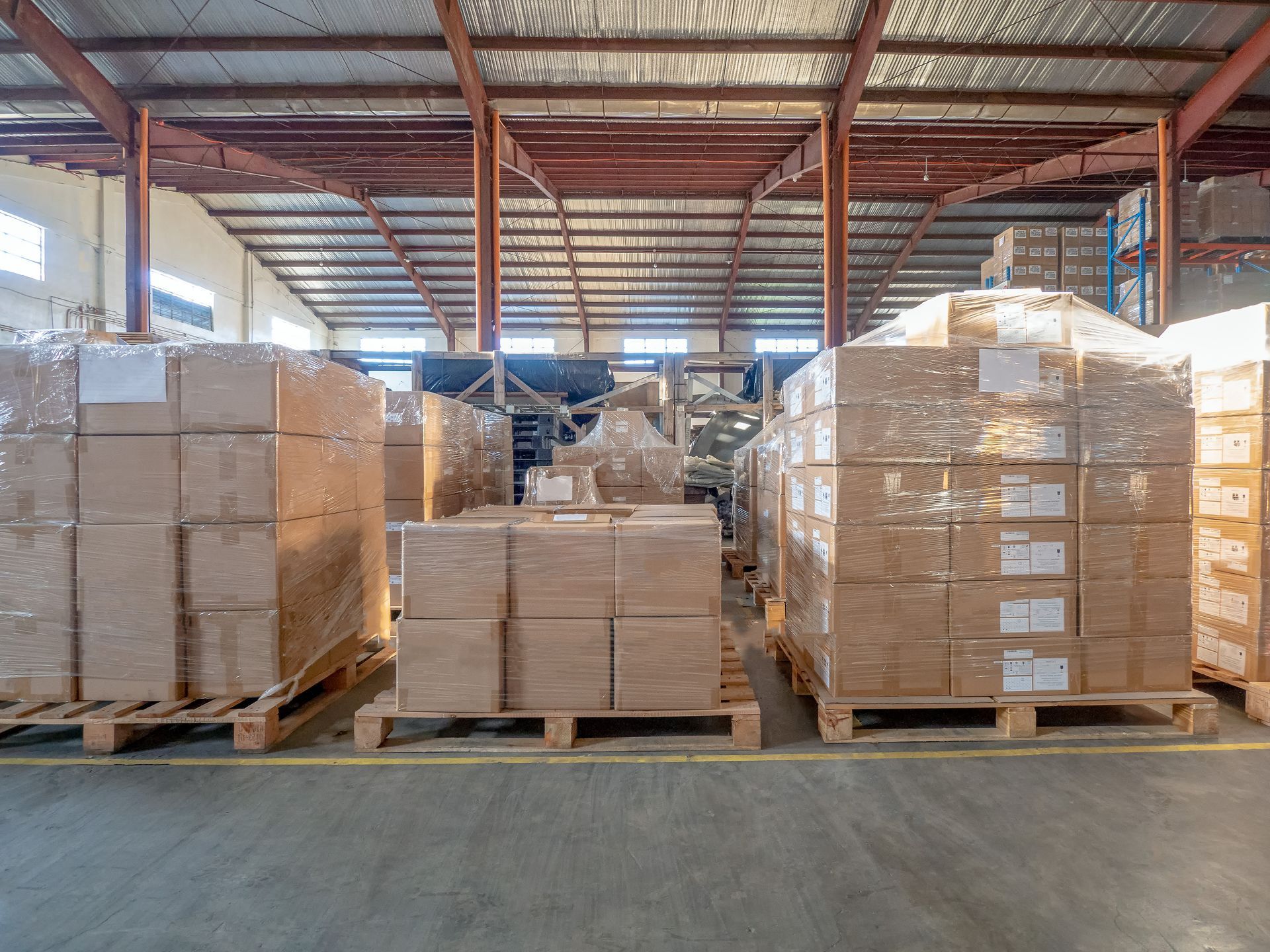
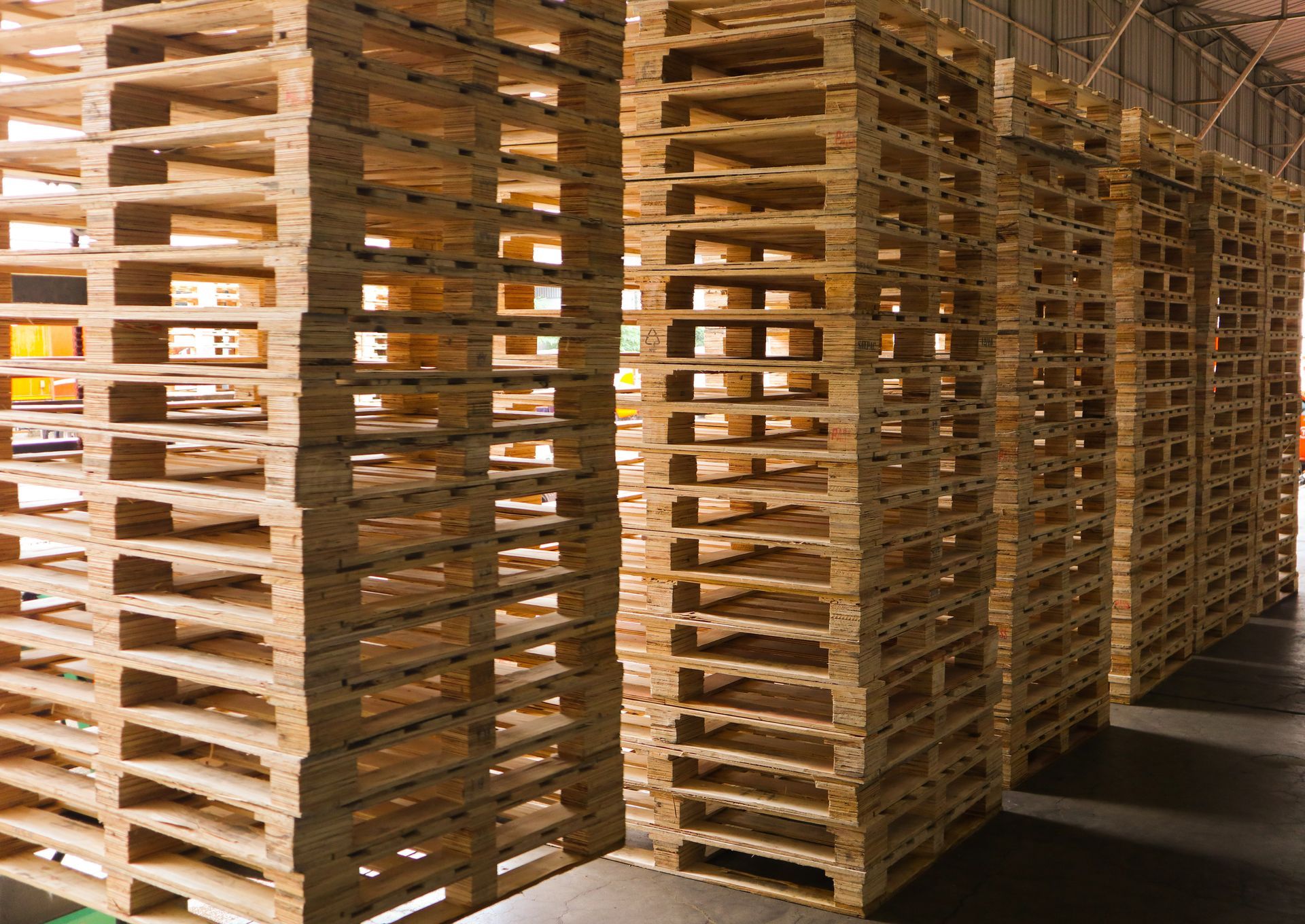
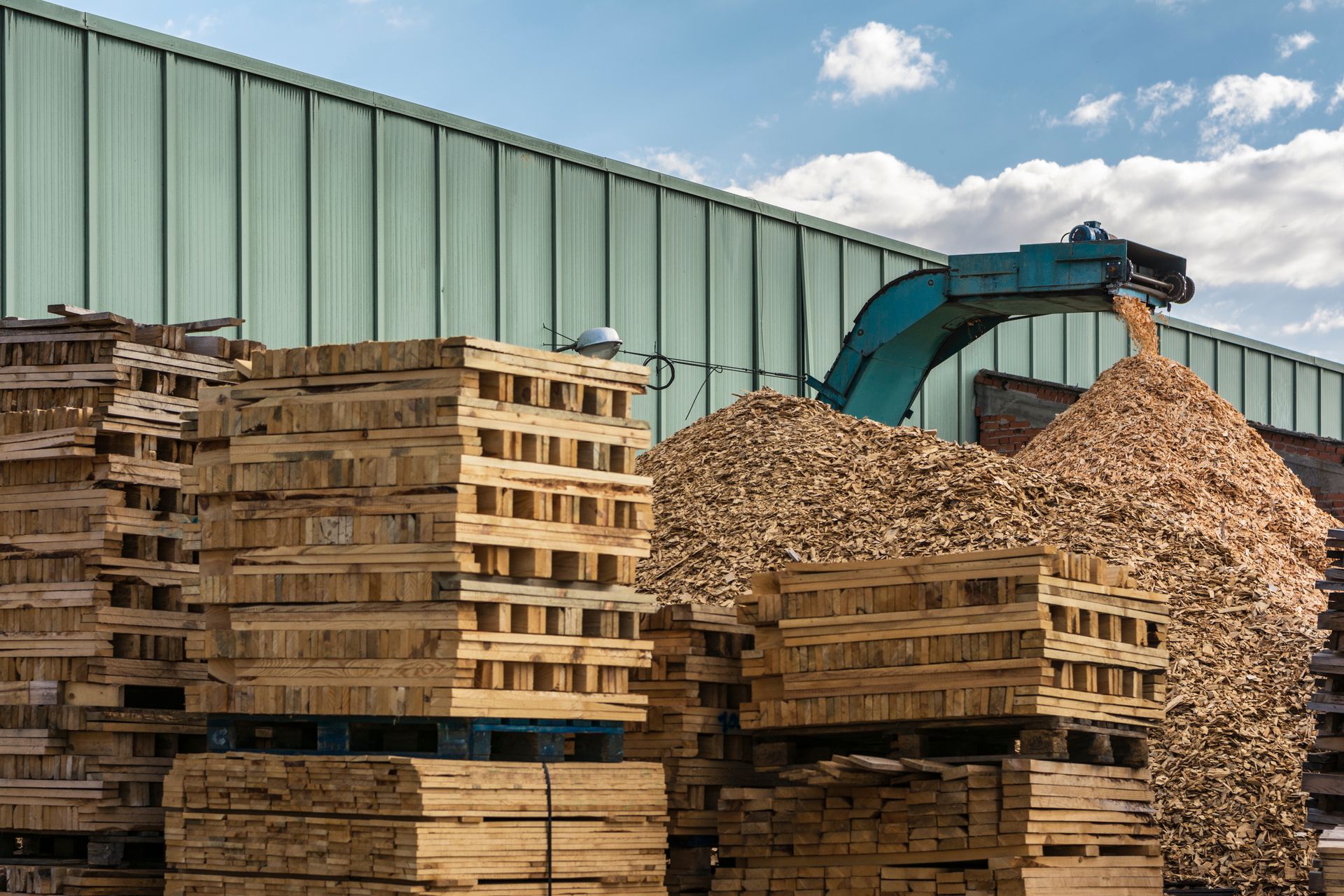
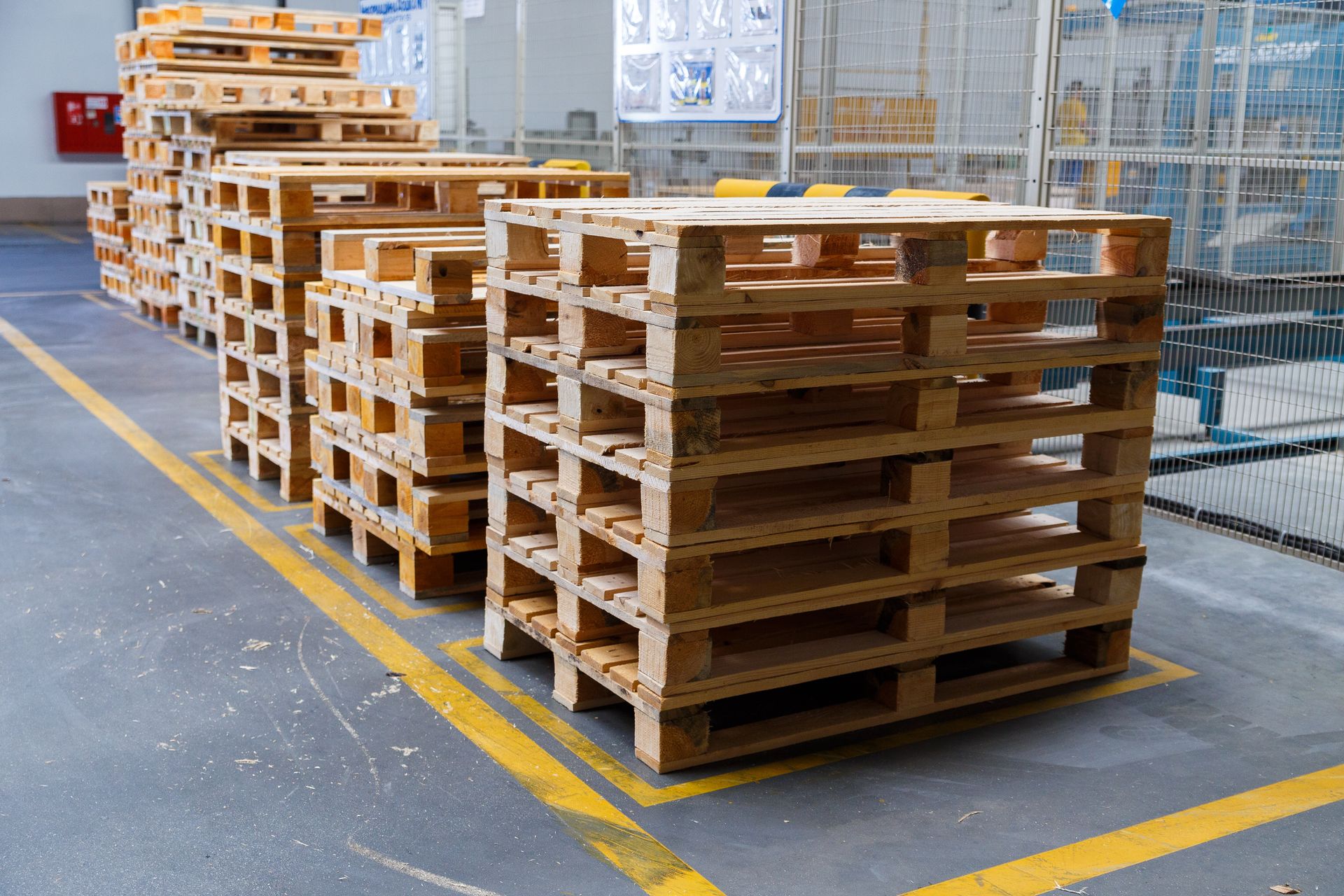
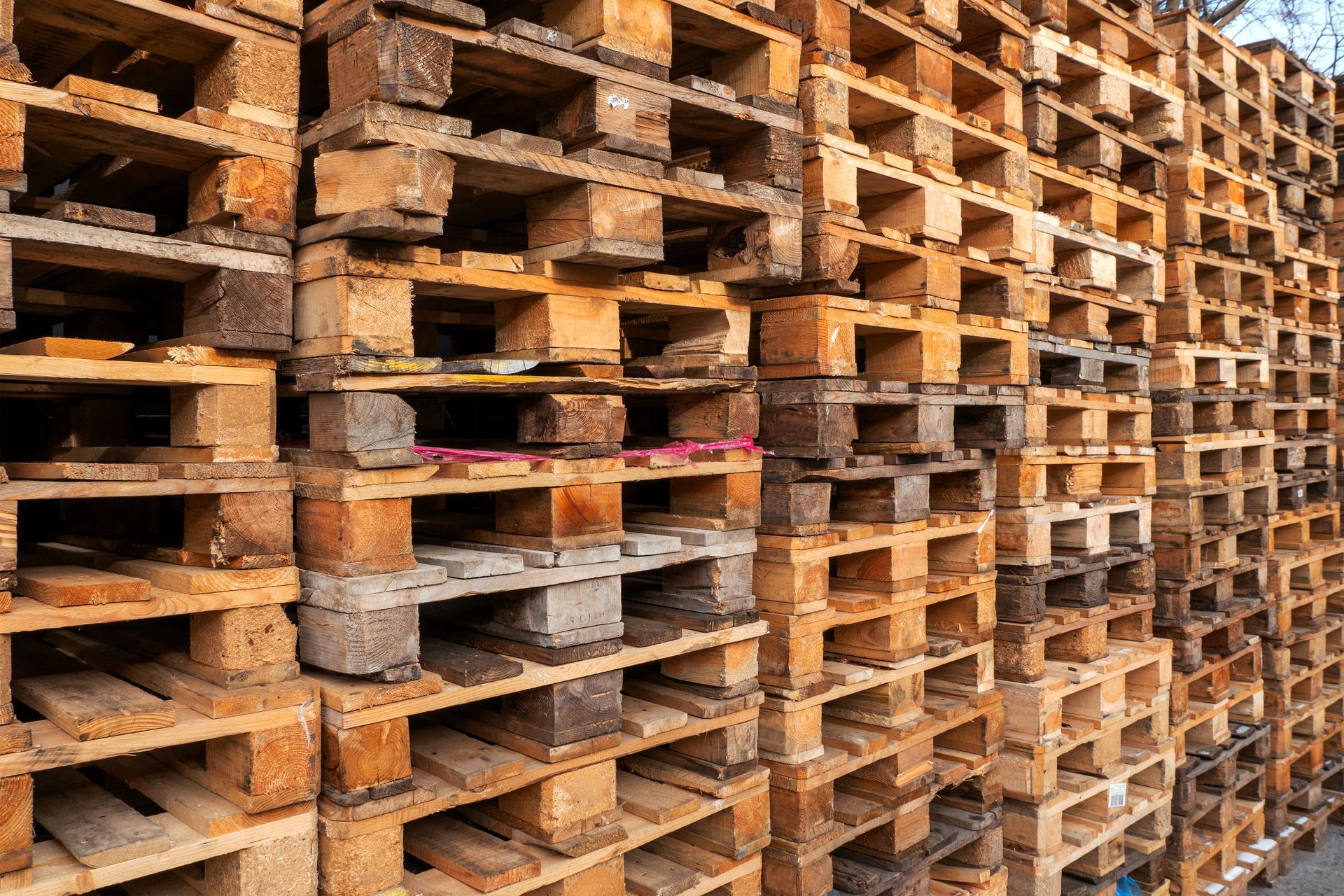
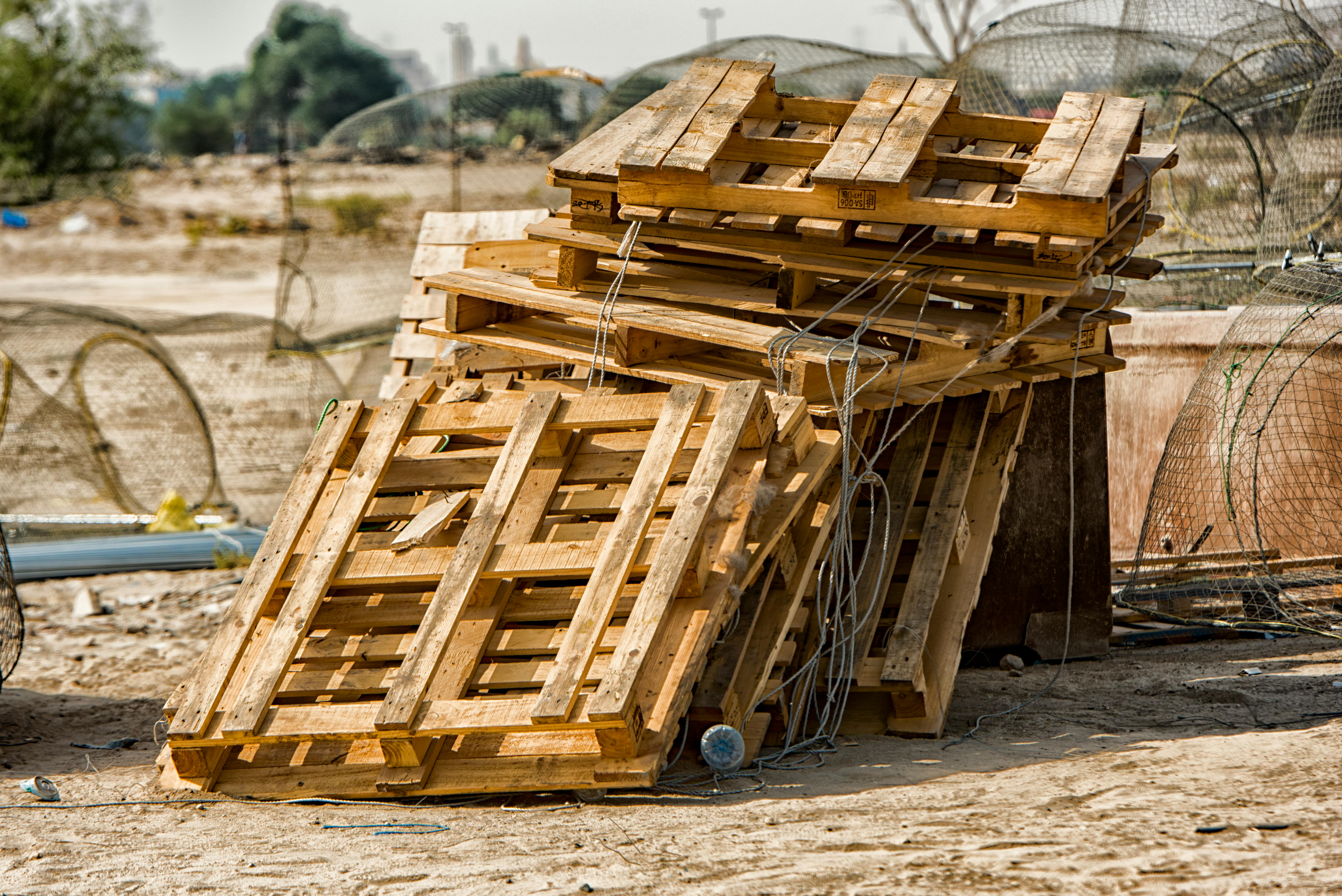
Wooden pallets are the most traditional and widely used. Made from hardwood or softwood, they are durable and can handle a range of weights. These pallets are ideal for businesses that require strong support and are often used in industries like construction and manufacturing.
Plastic Pallets
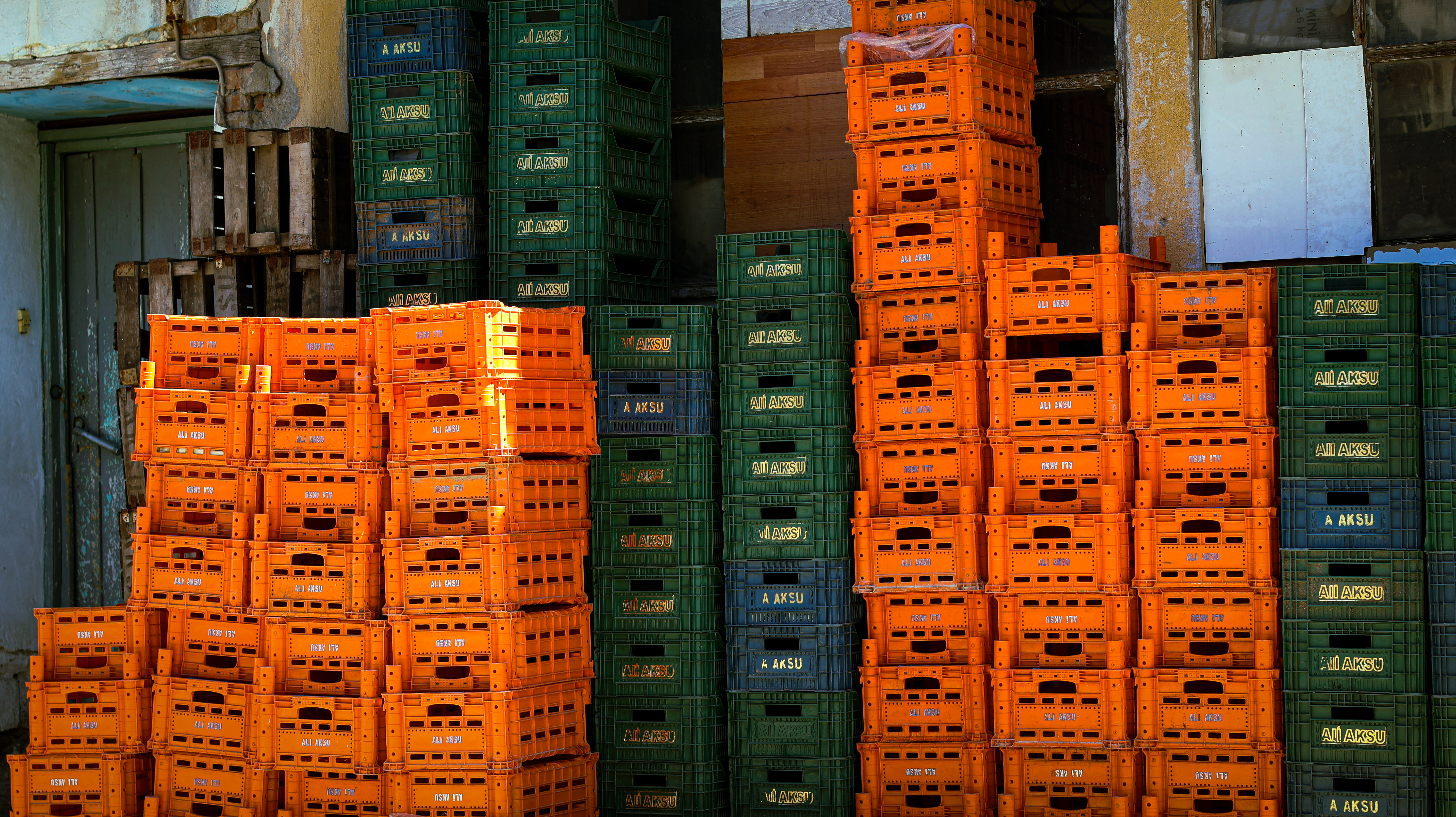
Plastic pallets are lightweight and resistant to moisture, making them perfect for environments where hygiene is a priority, such as food and pharmaceuticals. They are more durable than wood and can be reused multiple times without deteriorating.
Metal Pallets
Metal pallets, typically made from steel or aluminum, are used for heavy-duty applications. They are incredibly durable and resistant to extreme conditions, making them suitable for industries like automotive and chemical manufacturing.
Paper-Based Pallets
These are lightweight and often used for one-way shipping. While not as durable as other types, they are environmentally friendly and can be recycled after use. They are a cost-effective option for shipping lightweight goods.
Choosing the Right Pallet for Your Needs
Consider Your Load
The type of goods you are shipping will influence your pallet choice. Heavy items require sturdy materials like wood or metal, while lighter loads might be better suited to plastic or paper pallets.
Consider the Environment
Where your pallets will be stored and transported plays a crucial role. For example, if moisture resistance is important, plastic pallets are a good choice. For high-temperature environments, metal pallets are preferred.
Consider Cost and Reusability
Budget constraints are always a factor. While wooden pallets are generally cheaper upfront, plastic and metal pallets offer long-term savings due to their durability and reusability.
Common Misconceptions About Pallets
Pallets Are All the Same
This is a common myth. As we've seen, pallets vary significantly in material, use, and cost. Understanding these differences is key to optimizing your shipping and storage processes.
Plastic Pallets Are Not Eco-Friendly
While plastic pallets are made of synthetic materials, their long lifespan and recyclability actually make them a sustainable option in many cases. Choosing recycled plastic pallets can further reduce environmental impact.
Conclusion: Making the Right Choice
Choosing the right pallet type involves understanding your specific needs and the nuances of each material. By taking into account factors like load weight, environment, and budget, you can make an informed decision that optimizes your business operations. Heats Quality Pallets is here to support Camp Douglas businesses with expert advice and high-quality pallet solutions. Contact us today to find the perfect pallets for your needs.