Introduction
In the bustling logistics landscape of 2026, choosing the right pallet solution is crucial for businesses in Camp Douglas, Wisconsin. Whether you're a seasoned logistics coordinator or a business owner just starting out, understanding the differences between wood, plastic, and metal pallets can significantly impact your operations. This guide will provide a comprehensive comparison to help you make an informed decision tailored to your specific needs.
The Basics of Pallet Materials
Pallets come in various materials, each with its own unique advantages and drawbacks. Let's delve into the specifics of wood, plastic, and metal pallets to see which might be the best fit for your business.
Wood Pallets
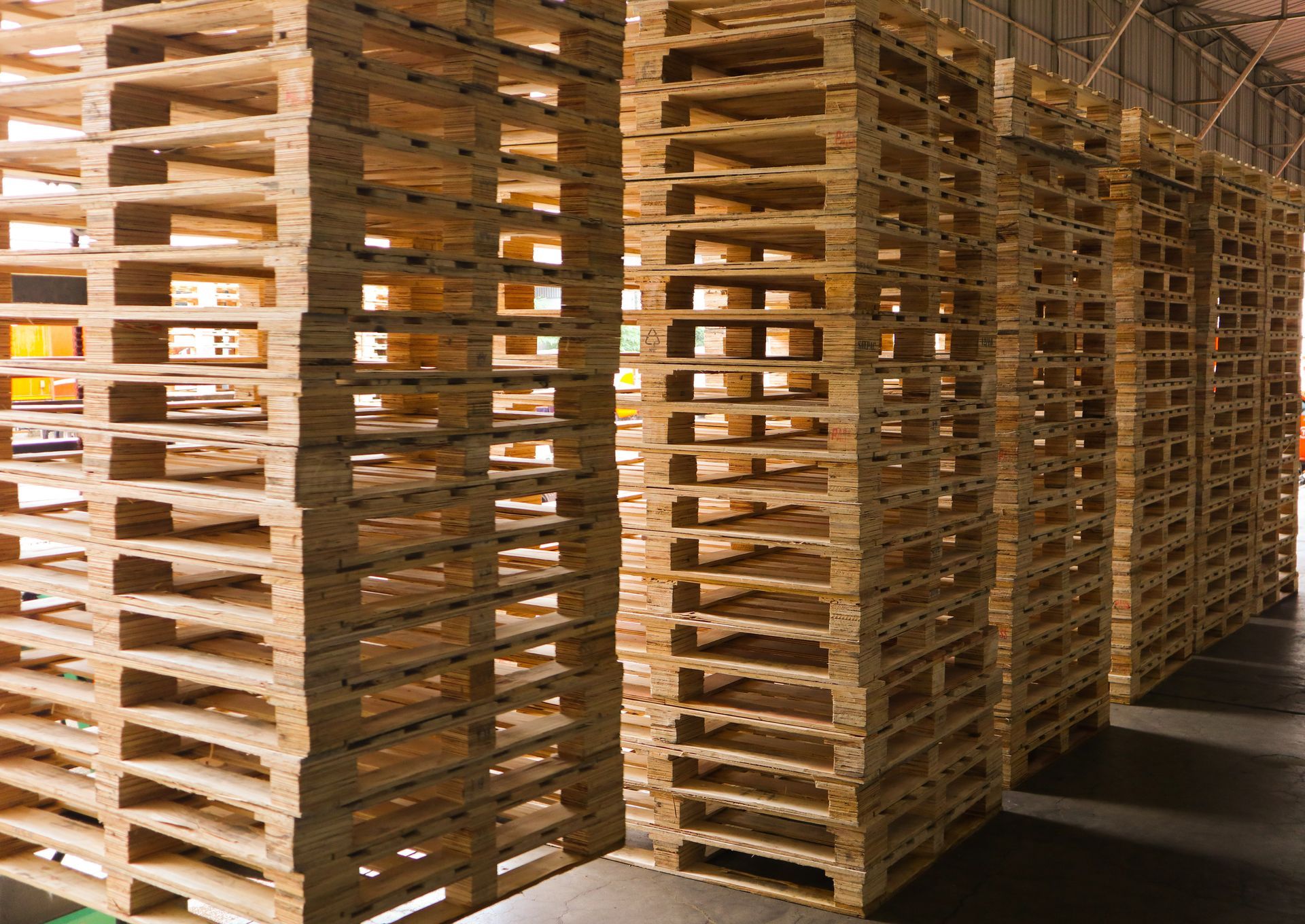
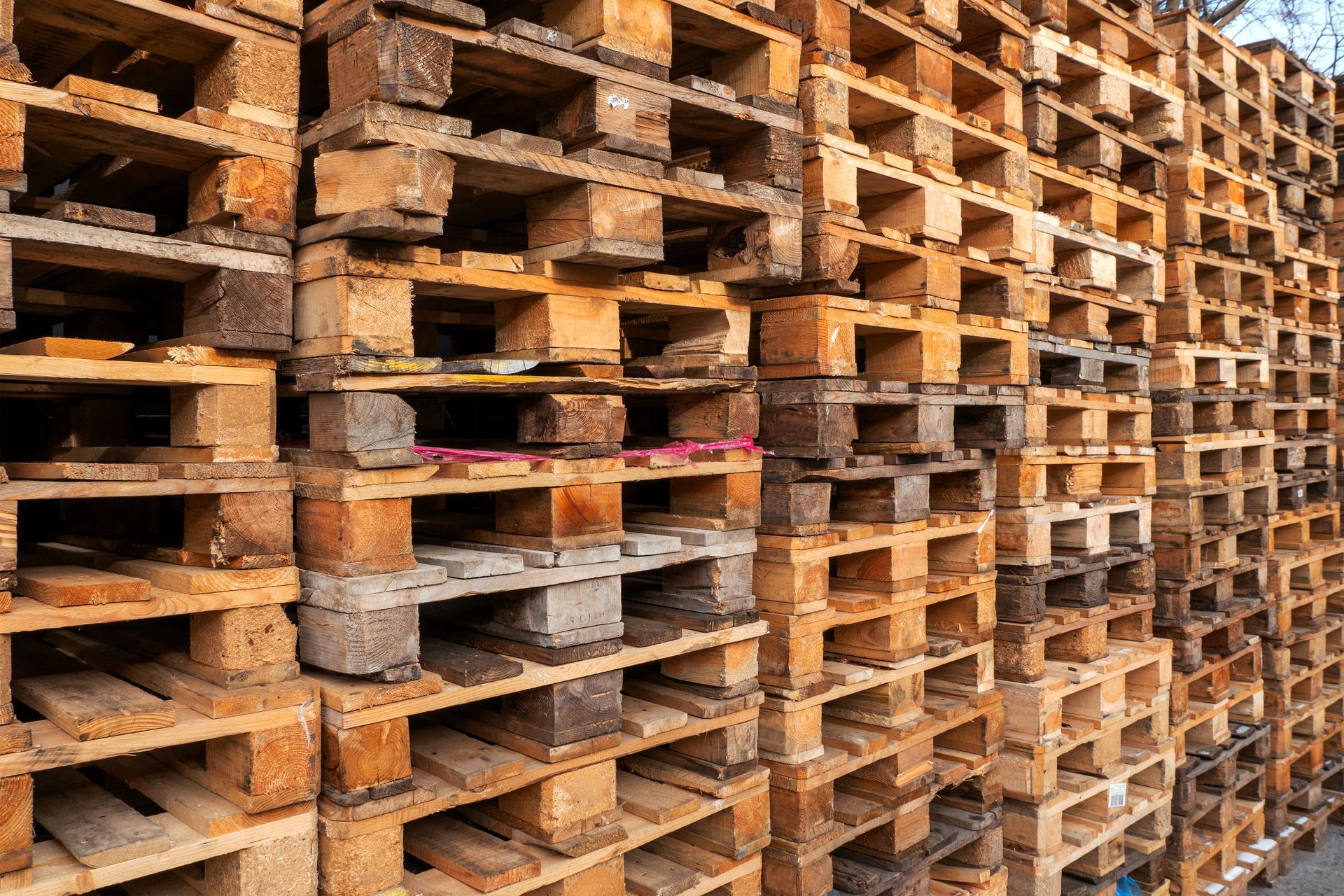
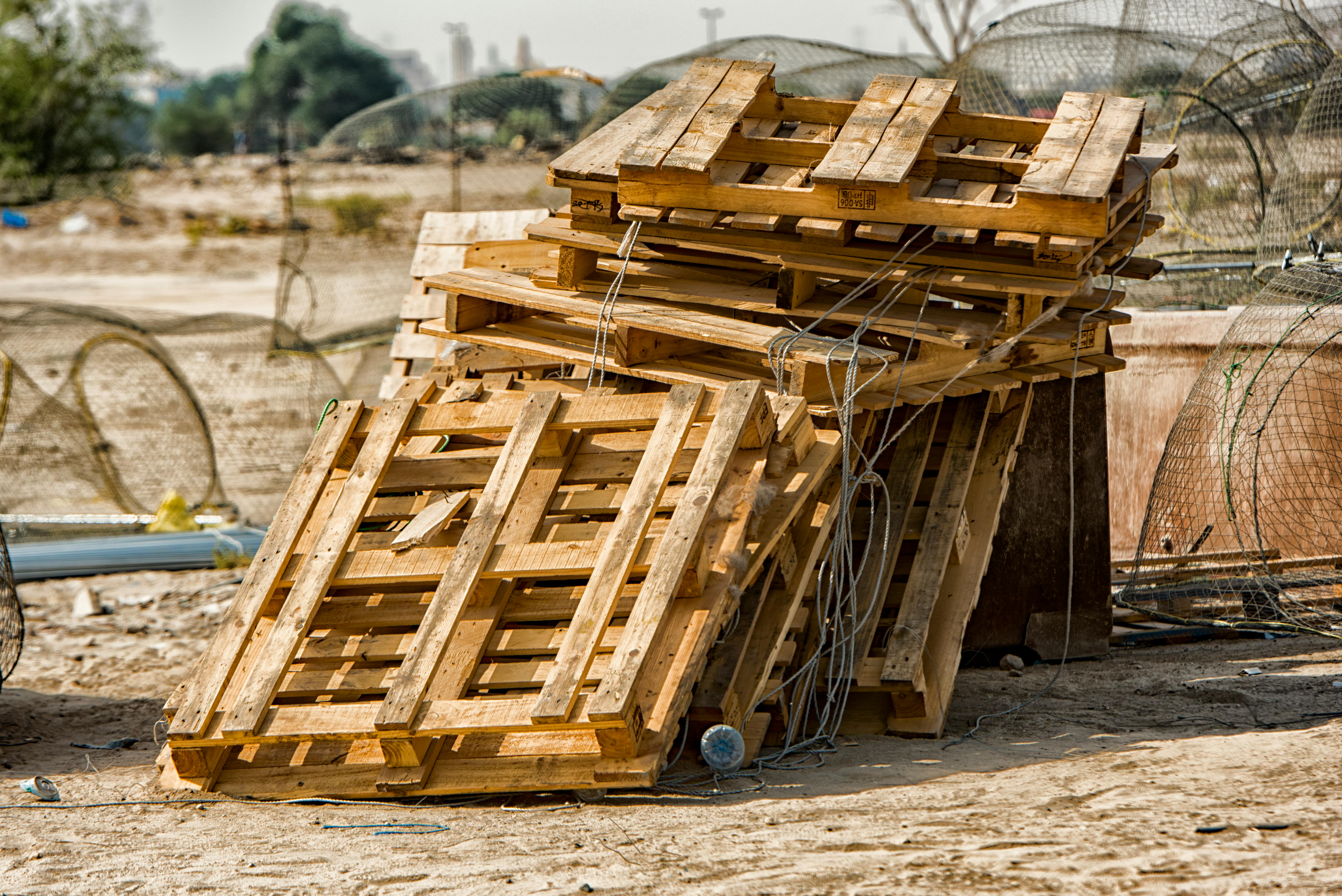
Wood pallets are the traditional choice and remain popular for their durability and cost-effectiveness. Typically made from softwoods like pine, they are widely used across different industries.
- Pros: Affordable, repairable, widely available, biodegradable.
- Cons: Susceptible to moisture, may harbor pests, heavier than other materials.
Plastic Pallets
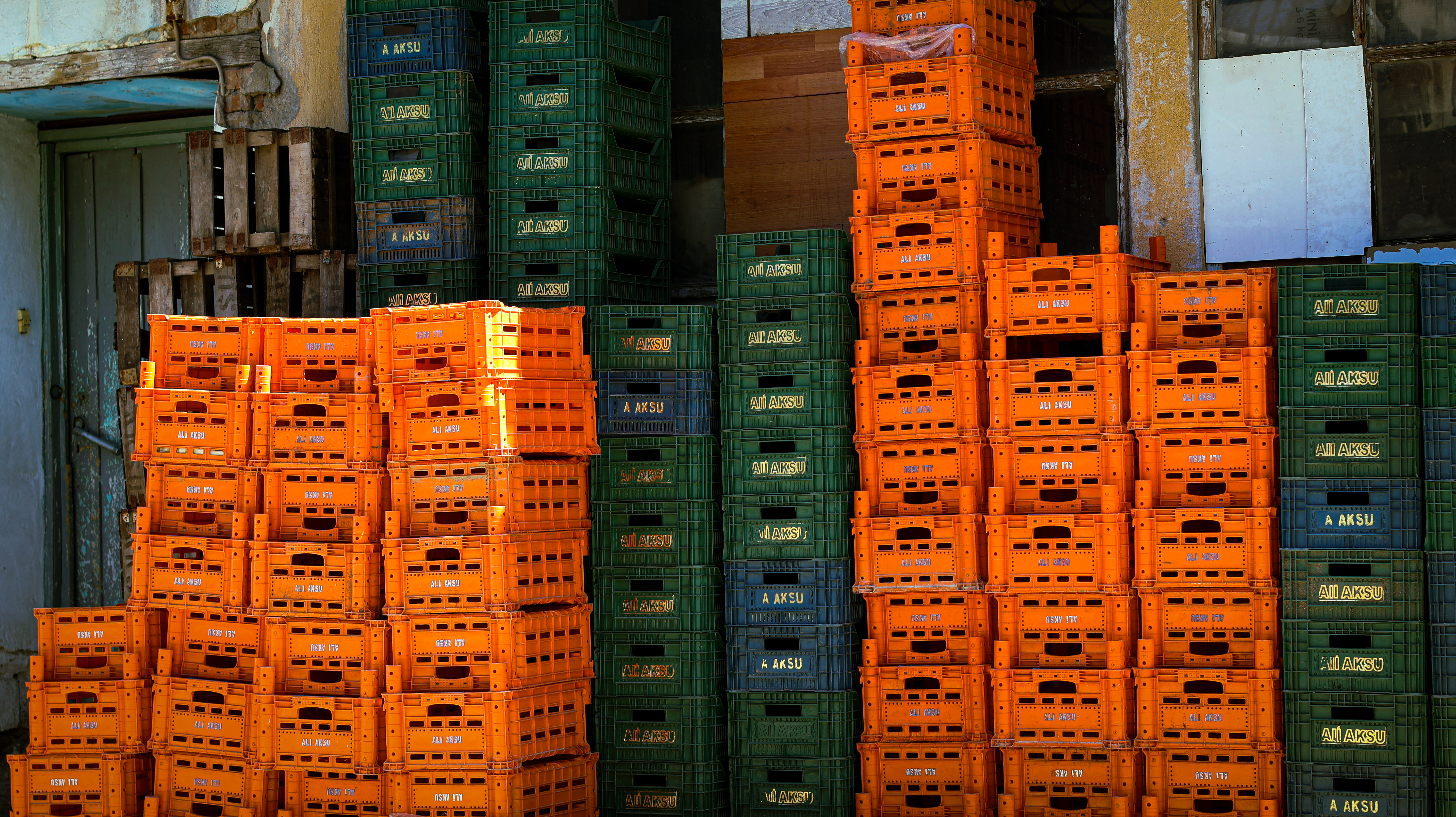
Plastic pallets offer a modern alternative, becoming increasingly popular due to their versatility and longevity. They are often made from high-density polyethylene (HDPE) or polypropylene (PP).
- Pros: Lightweight, resistant to weather and chemicals, easy to clean, long lifespan.
- Cons: Higher initial cost, not as easy to repair, environmental concerns related to production and disposal.
Metal Pallets
Metal pallets, usually made from steel or aluminum, are known for their strength and durability, making them ideal for heavy-duty applications.
- Pros: Extremely durable, can handle heavy loads, fire-resistant.
- Cons: Expensive, heavy, can be prone to rust if not properly treated.
Evaluating Your Business Needs
Before selecting a pallet type, consider the following factors to determine which material best aligns with your business requirements:
1. Load Capacity
If your business routinely handles heavy items, metal pallets might be the best choice due to their superior load-bearing capacity. However, for lighter goods, wood or plastic pallets could be more practical and cost-effective.
2. Industry Regulations
Different industries have specific regulations regarding pallet use. For instance, the food and pharmaceutical industries often prefer plastic pallets due to hygiene standards. Ensure compliance with industry-specific guidelines to avoid potential issues.
3. Environmental Impact
In 2026, sustainability is more important than ever. Consider the environmental impact of your choice. Wood pallets are biodegradable, whereas plastic pallets are recyclable. Balancing functionality with eco-friendliness is key.
4. Budget Constraints
Cost is always a critical factor. Wood pallets are generally the most affordable option, making them ideal for businesses with tight budgets. However, consider the long-term savings associated with the durability of plastic or metal pallets.
Conclusion
Choosing the right pallet is a strategic decision that can streamline your operations in Camp Douglas, Wisconsin. By weighing the pros and cons of wood, plastic, and metal pallets, you can select a solution that enhances efficiency, compliance, and sustainability. At Heats Quality Pallets, we offer a wide range of pallet solutions tailored to meet the diverse needs of local businesses. Contact us today to explore how we can support your logistics requirements.
Internal and External Resources
For more insights, check out our blog for the latest updates in pallet solutions. Additionally, explore EPA resources on pallet recycling to understand the environmental benefits of each pallet type.