Understanding the Impact of Seasonal Changes on Pallet Solutions
In Camp Douglas, Wisconsin, the changing seasons bring unique challenges and opportunities for businesses relying on pallet solutions. As the seasons shift from the cold, snowy winters to humid summers, businesses must consider how these changes affect their pallet needs and operations. This blog explores how to adapt to these seasonal variations effectively.
Winter Considerations: Ensuring Durability and Safety
The harsh Wisconsin winters can take a toll on pallets, making it crucial to adopt strategies that ensure durability and safety. Here are some key considerations:
- Material Selection: Consider using pallets made from moisture-resistant materials like plastic or treated wood to prevent damage from snow and ice.
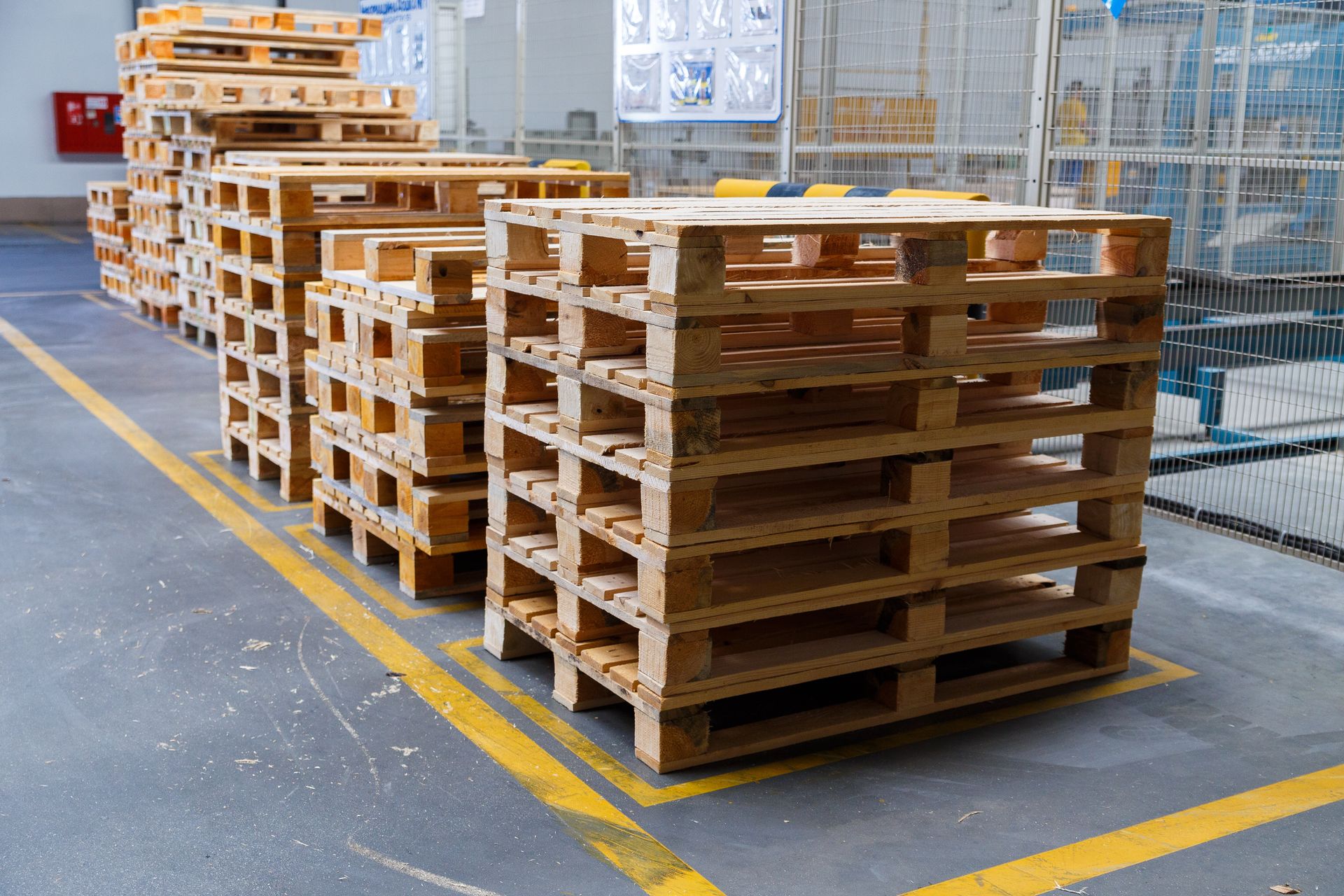
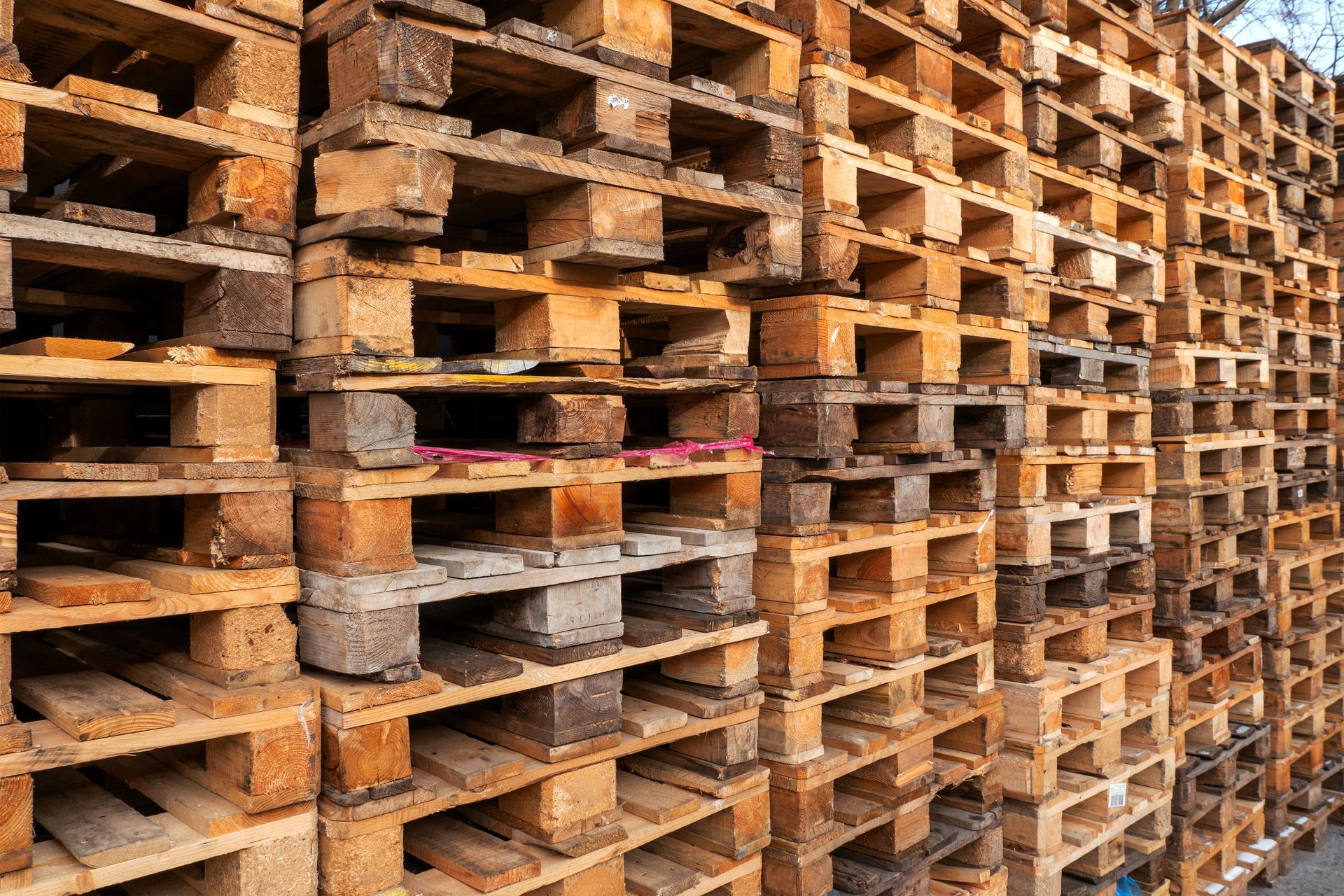
- Proper Storage: Protect pallets from snow accumulation by storing them in covered areas or using tarps.
- Regular Inspections: Perform frequent checks for structural integrity, especially after snowstorms, to prevent accidents caused by weakened pallets.
- Safe Handling Practices: Train employees on safe handling during icy conditions to prevent slips and falls.
Spring Transition: Preparing for Increased Demand
As winter thaws into spring, businesses often experience a surge in demand, necessitating efficient pallet management. Here's how to prepare:
- Inventory Assessment: Conduct a thorough inventory check to ensure you have a sufficient supply of pallets to meet increased demand.
- Repair and Maintenance: Use this time to repair any damaged pallets and perform routine maintenance to extend their lifespan.
- Space Optimization: As activity increases, optimize your storage space to accommodate additional pallets and streamline operations.
Summer Strategies: Managing Heat and Humidity
With summer comes heat and humidity, which can affect pallet performance and safety. Consider these strategies:
- Ventilated Storage: Ensure pallets are stored in well-ventilated areas to reduce the risk of warping or mold growth due to humidity.
- Temperature Monitoring: Keep a close eye on temperature-sensitive goods stored on pallets to prevent spoilage or damage.
- Material Choice: Opt for pallets made from materials less susceptible to heat-induced warping, such as metal or high-density plastic.
Autumn Adjustments: Preparing for Cooler Temperatures
As temperatures begin to drop, it's time to prepare your pallet strategy for the upcoming winter months:
- Weatherproofing: Begin weatherproofing measures early to protect pallets from early snow or rain.
- Strategic Stockpiling: Consider stockpiling pallets to avoid supply chain disruptions during winter months.
- Training Refresh: Conduct refresher courses for employees on handling and storing pallets in cooler conditions.
Conclusion: Adapting to Wisconsin's Seasonal Challenges
By understanding and preparing for the seasonal challenges in Camp Douglas, businesses can ensure their pallet solutions remain effective year-round. Whether it's selecting the right materials, optimizing storage, or planning for increased demand, these strategies will help your business adapt smoothly to changing conditions.
For more tailored pallet solutions and expert advice, contact Heats Quality Pallets, your local partner in reliable and resilient pallet management.